 Just over six months ago, I wrote a rather snippy post about the way quality newspapers were as entranced by celebrity as their tabloid counterparts. The post was occasioned by a couple of reviews of first novels written by people who, regardless of their own ability, were also extremely well-connected in the literary world, and I was in a huff about how they got all the attention while
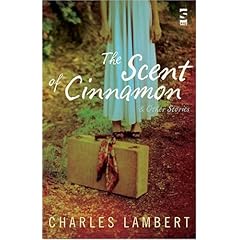
 poor little me other first novelists didn't. To my surprise, and joy, one of these novelists - Nick Harkaway - got in touch with me that very day to say that he agreed with me. Since then, we've been in touch frequently about all sorts of things, we've almost shared a spaghetti alla carbonara in Rome, I've read and been very impressed by The Gone-Away World (out in paperback on February 5th) and Nick has agreed to interview me on my Something Rich and Strange virtual book tour. You can find the interview here. I have a photograph of Nick holding a copy of The Scent of Cinnamon with a look of disturbingly manic glee on his face - a reaction I hope the book routinely evokes - but I have too much respect for the man, and his reputation, to reproduce it here.
(I'm still waiting to hear from Martin Amis's wife.)
 Just over six months ago, I wrote a rather snippy post about the way quality newspapers were as entranced by celebrity as their tabloid counterparts. The post was occasioned by a couple of reviews of first novels written by people who, regardless of their own ability, were also extremely well-connected in the literary world, and I was in a huff about how they got all the attention while

